Choosing the Right Sustainable Packaging — What Fits Your Product Best?

Choosing the Right Sustainable Packaging — What Fits Your Product Best?

When it comes to sustainable packaging, there’s no one-size-fits-all solution.
Each material has its own strengths — what matters is finding the right balance between performance, cost, and environmental impact.

Here’s a quick comparison of some of today’s most promising alternatives:


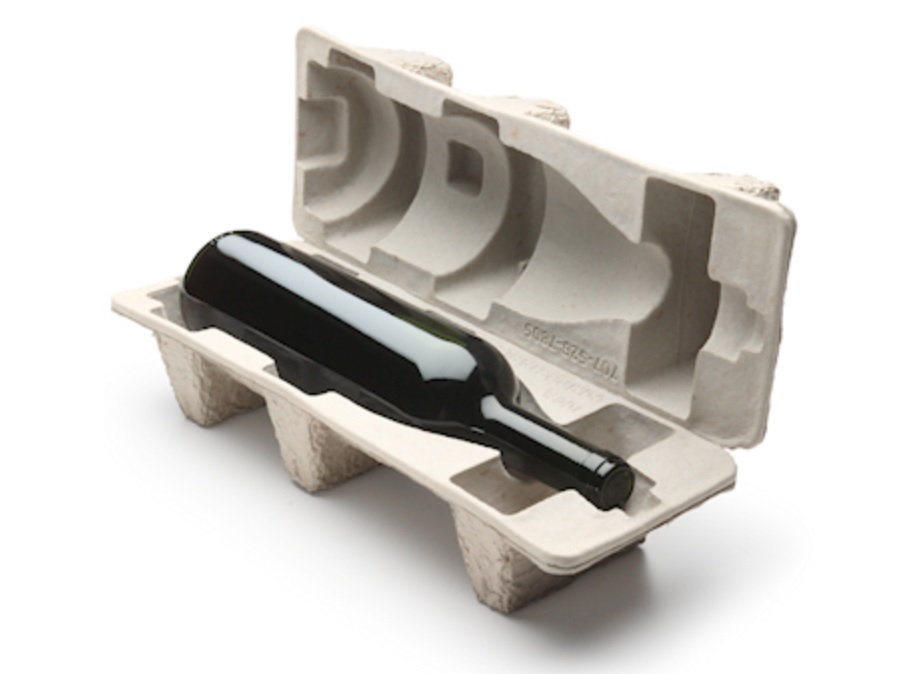
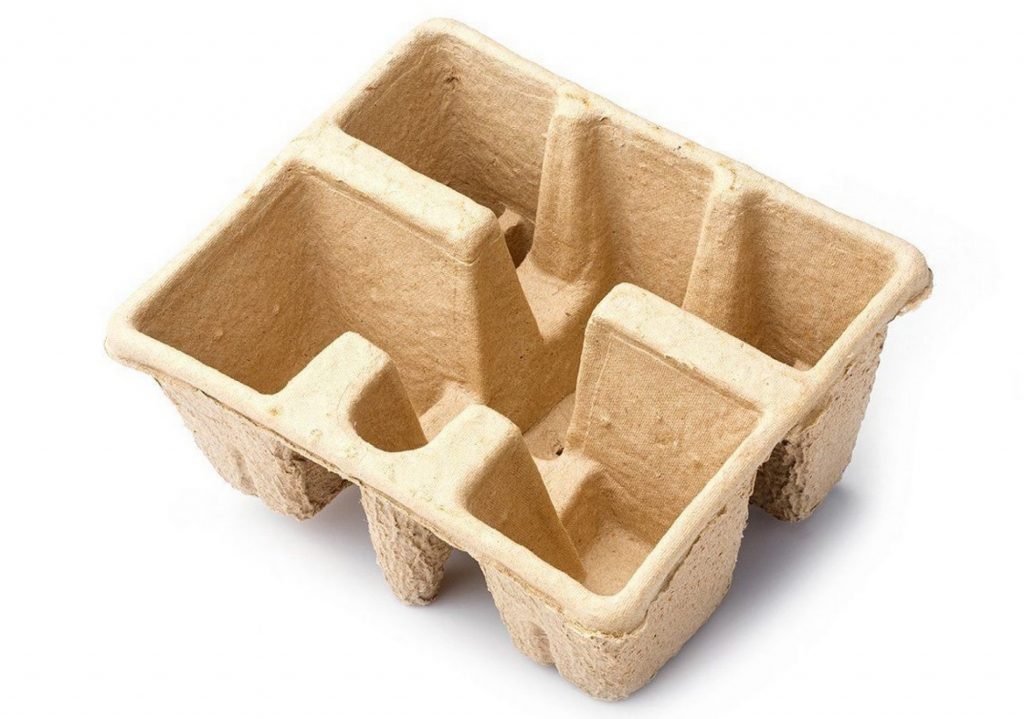
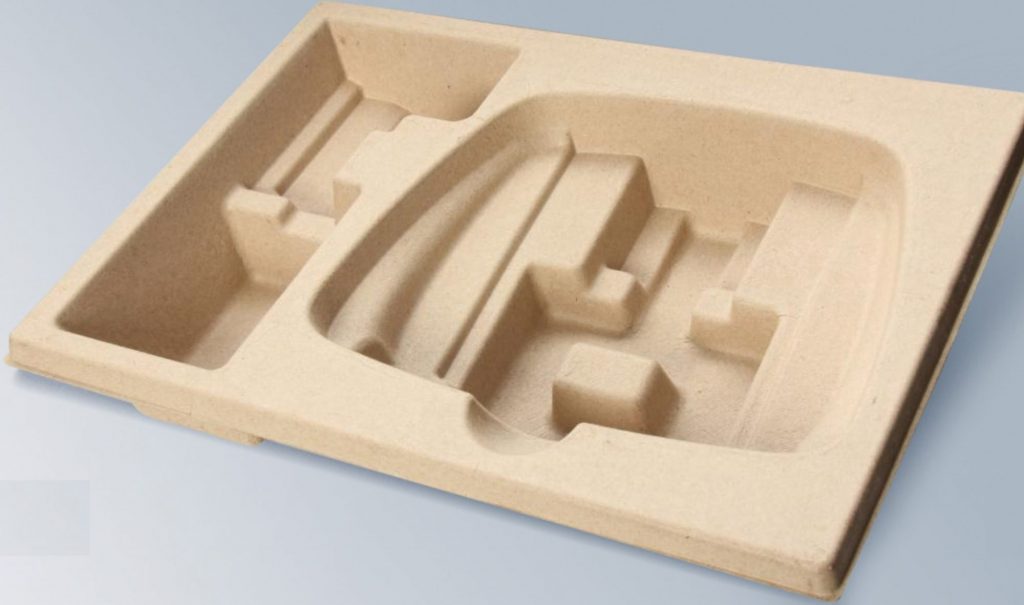
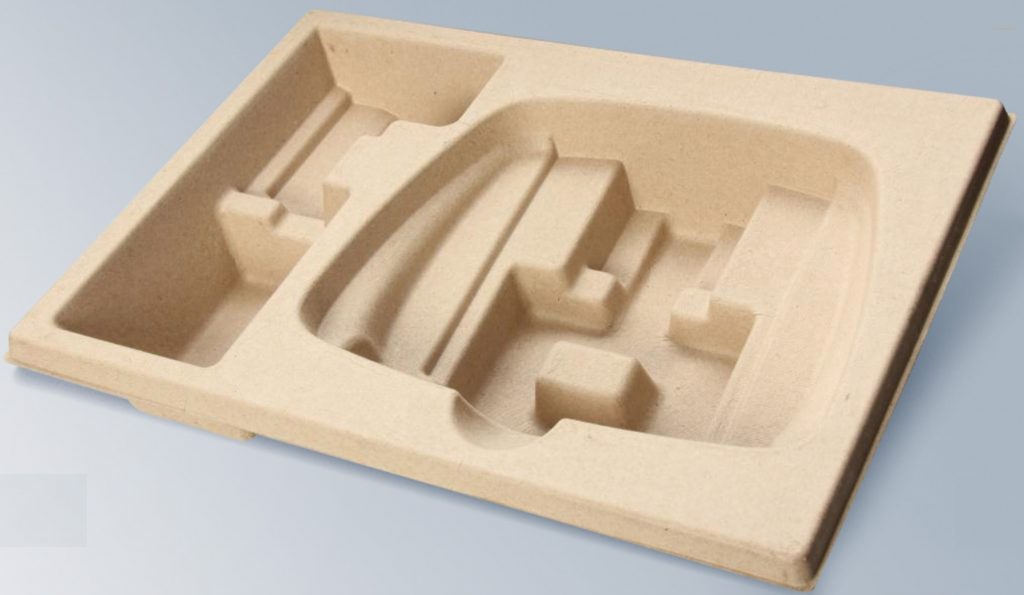
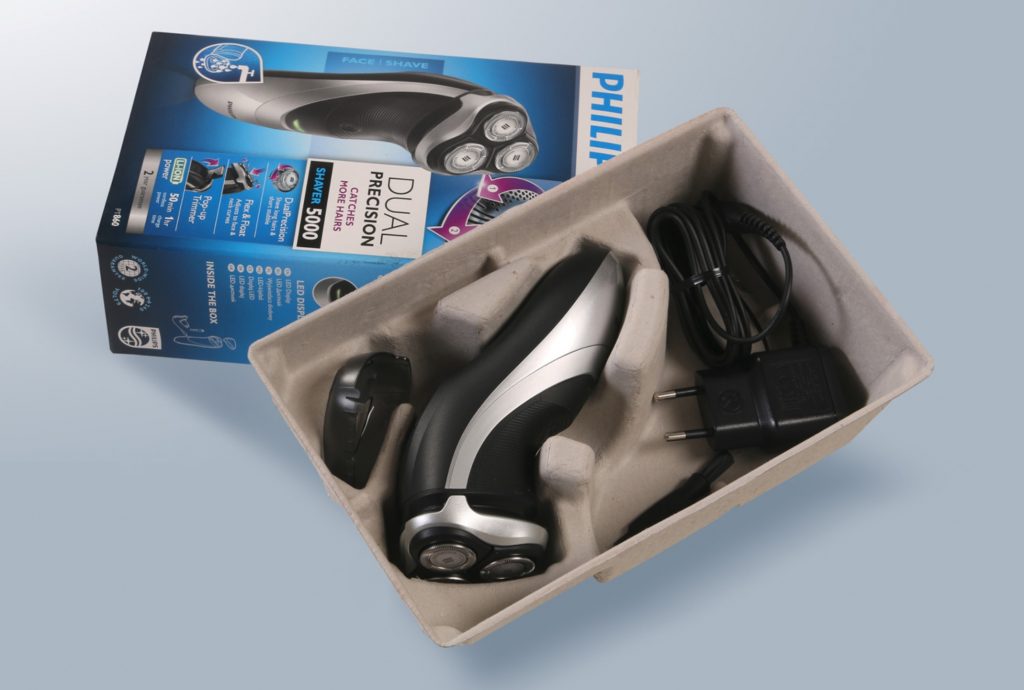
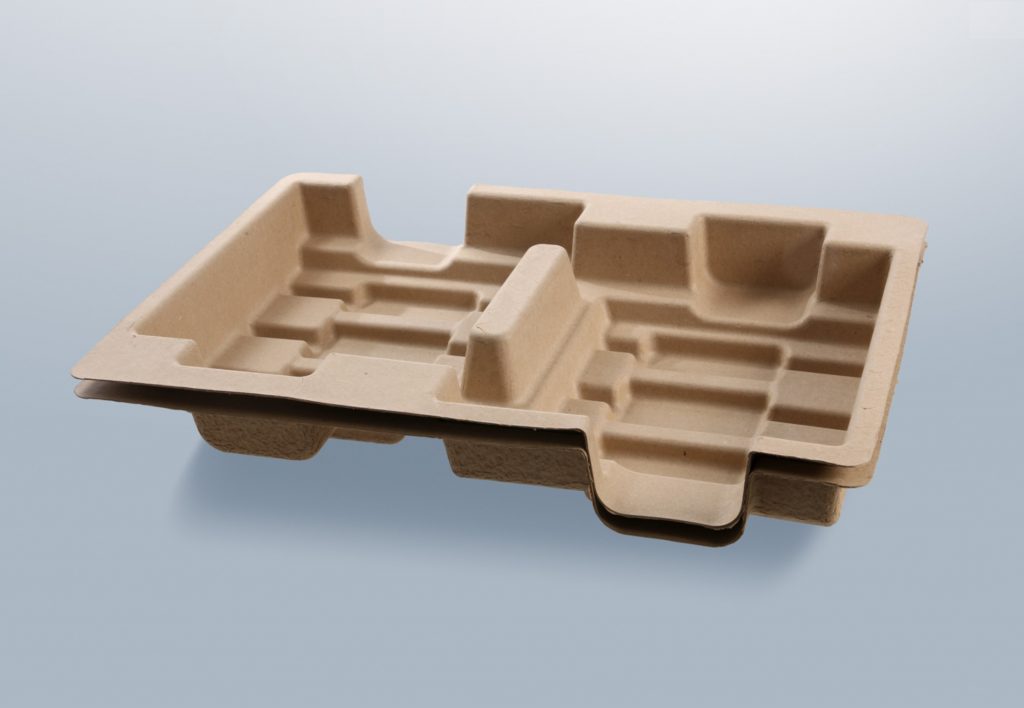
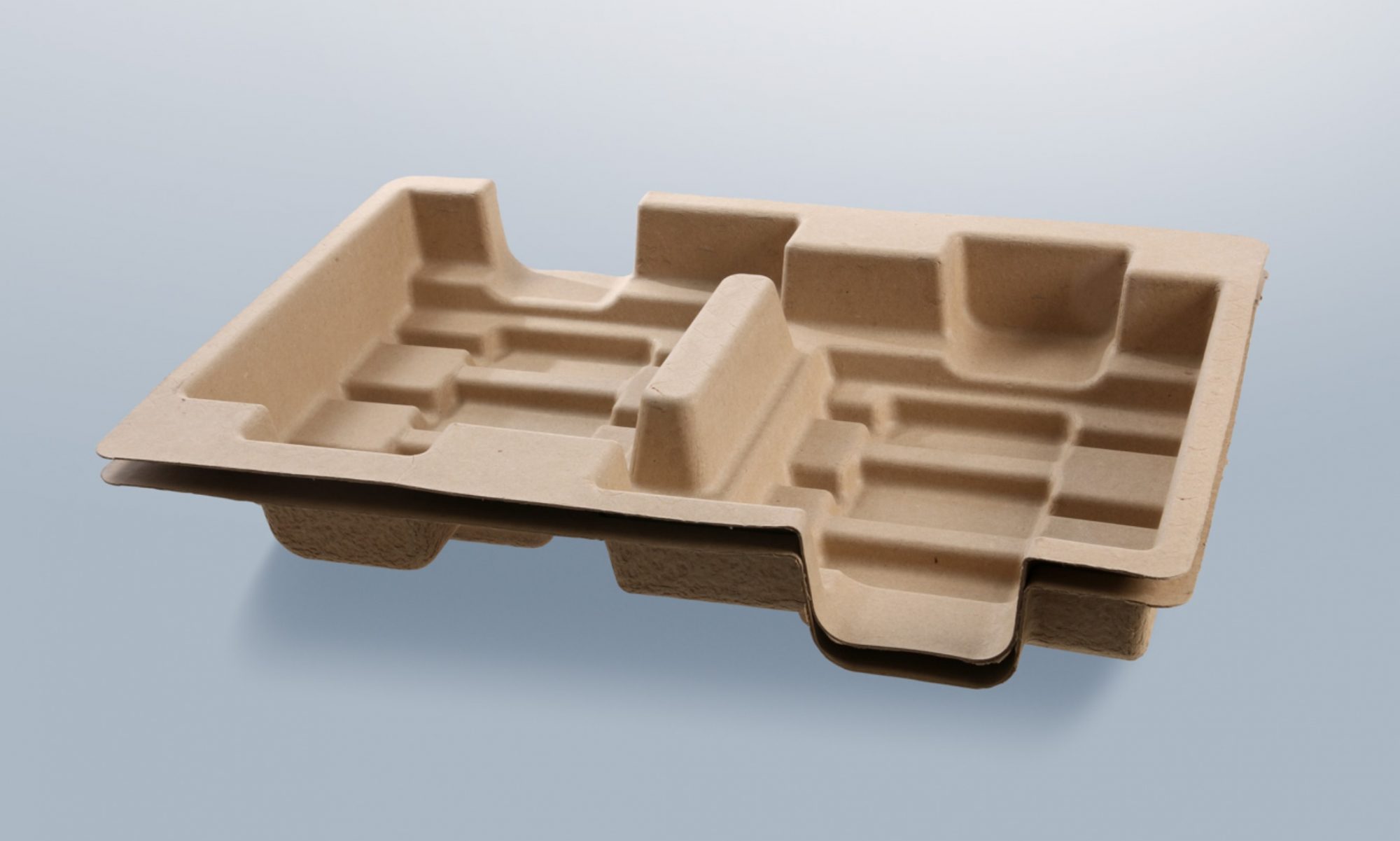
1️⃣ Molded Pulp

Made from: recycled paper or cardboard fibers.
Best for: protective transport trays, egg packaging, industrial and food applications.
Pros: highly recyclable, low cost, proven at scale.
Limitations: rough surface finish, limited design freedom, not ideal for premium products.


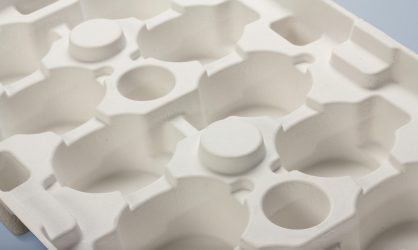
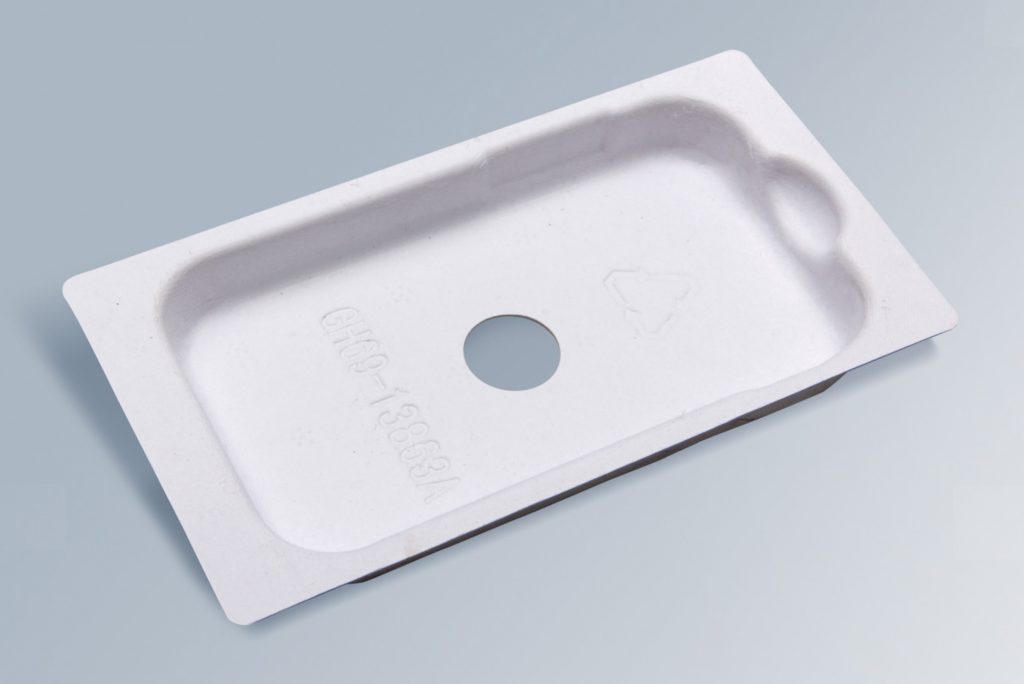
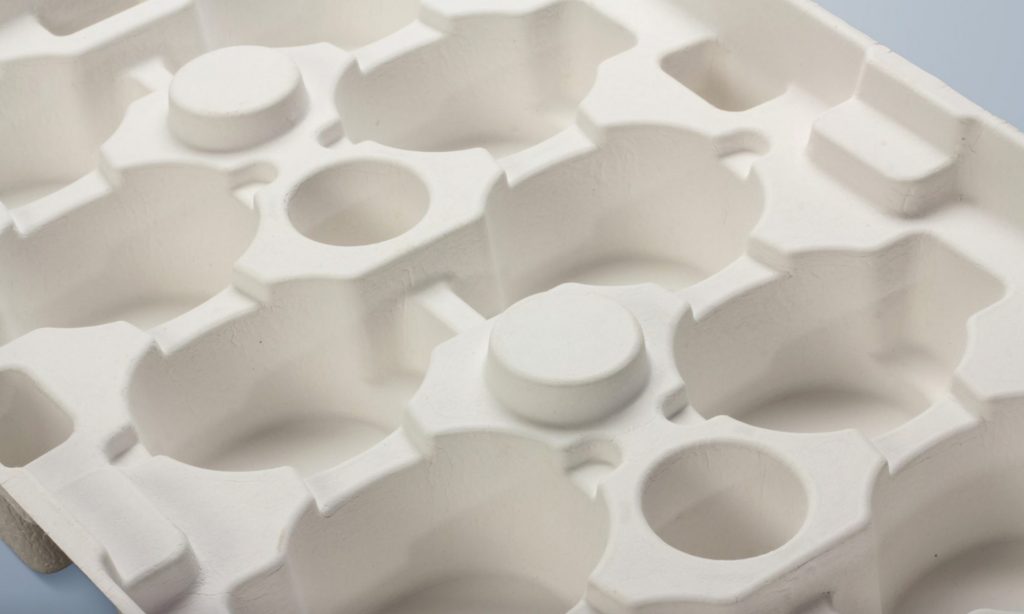
2️⃣ Thermoformed Molded Fiber

Made from: refined cellulose fibers with thermoforming technology.
Best for: cosmetics, electronics, and consumer goods that need a smooth, aesthetic surface.
Pros: premium appearance, customizable shapes, compostable.
Limitations: higher tooling cost, less suitable for heavy protective packaging.


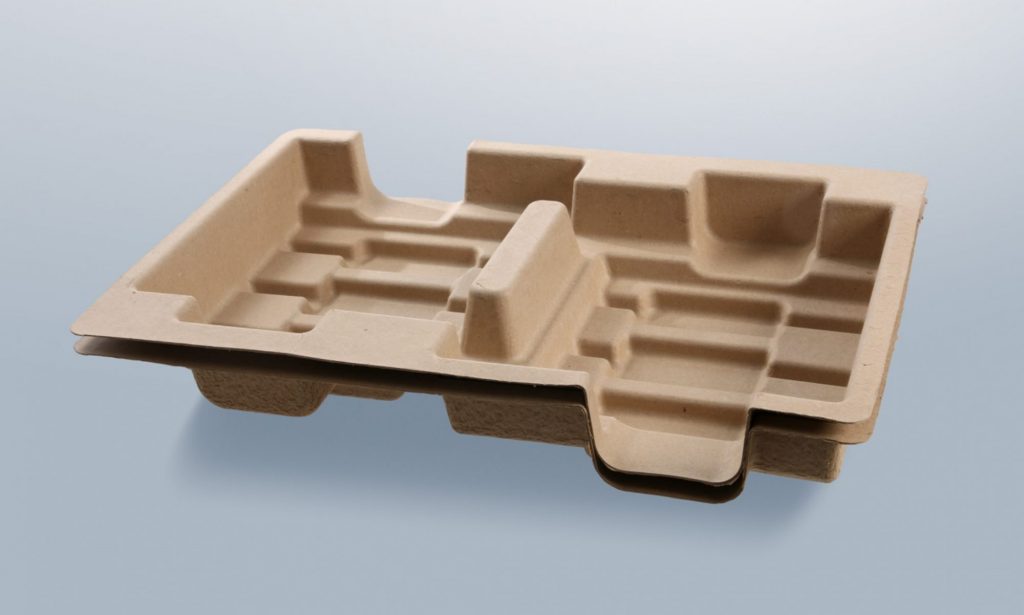
3️⃣ EcoMolding Pulp or Fiber

Made from: potato starch, fibers, and water — baked into precise shapes.
Best for: electronics, cosmetics, and medical devices.
Pros: ultra-light, precise fit, excellent branding potential, compostable and recyclable.
Limitations: requires custom tooling and baking process — better for medium to large production runs.


4️⃣ Injection-Molded Bio-Composites

Made from: plant-based resins or recycled biopolymers.
Best for: reusable items, structural parts, or cases needing precision and durability.
Pros: mechanical strength, design freedom, precision engineering.
Limitations: energy-intensive process, less circular than fiber-based materials.


5️⃣ Textile-Based Reusable Packaging (KIUD)

Made from: upcycled textile waste, turned into a durable composite.
Best for: reusable logistics systems, retail, and e-commerce deliveries.
Pros: circular, long lifespan, washable, strong branding story.
Limitations: higher upfront cost — works best in closed-loop systems.


So… which is best?

  • For protective shipping and low cost: Molded pulp wins.
  • For aesthetic packaging and retail displays: Thermoformed molded fiber or PaperFoam.
  • For durable, reusable loops: KIUD textile-based systems.
  • For precision-engineered components: Injection-molded bio-composites.

The truth is — the future of packaging isn’t one material, but a smart mix of technologies that together eliminate waste and build circular value chains.

At Pakeling, our mission is to help brands choose the right material for their sustainability goals — from Italy to Germany, and across Europe.

Molded Fiber & Molded Pulp Packaging

Key Benefits of Molded Fiber Packaging & More

Sustainable Innovation in Every Shape

At Pakeling, we offer a new generation of molded fiber and molded pulp packaging, combining sustainability, functionality, and modern design.
Made from renewable fibers such as recycled paper, agricultural residues, or plant-based starch, our molded solutions are fully biodegradable, compostable, and recyclable — a perfect alternative to traditional plastic or Styrofoam packaging.


Key Benefits of Molded Fiber Packaging

  1. Sustainable & Biodegradable – Made entirely from natural or recycled fibers; decomposes naturally without leaving microplastics.
  2. Plastic-Free Alternative – Helps brands meet EU packaging regulations and plastic-reduction goals.
  3. Custom-Formed for Protection – Molded to fit products precisely, providing excellent cushioning and stability.
  4. Lightweight & Cost-Efficient – Reduces shipping weight and lowers logistics costs.
  5. Recyclable & Compostable – Can enter the paper recycling stream or compost systems.
  6. Thermoformed Aesthetics – Smooth, high-quality surfaces suitable for premium cosmetics, electronics, or food packaging.
  7. Custom Branding – Embossed logos, colors, and finishes available for a distinct brand identity.
  8. Temperature Resistant – Suitable for both hot and cold applications in food packaging.
  9. Scalable & Versatile – Adaptable for small runs or large-scale production across multiple industries.
  10. Made in Europe – Shorter supply chains, reduced carbon footprint, and full regulatory compliance.

What Is Molded Fiber Packaging?

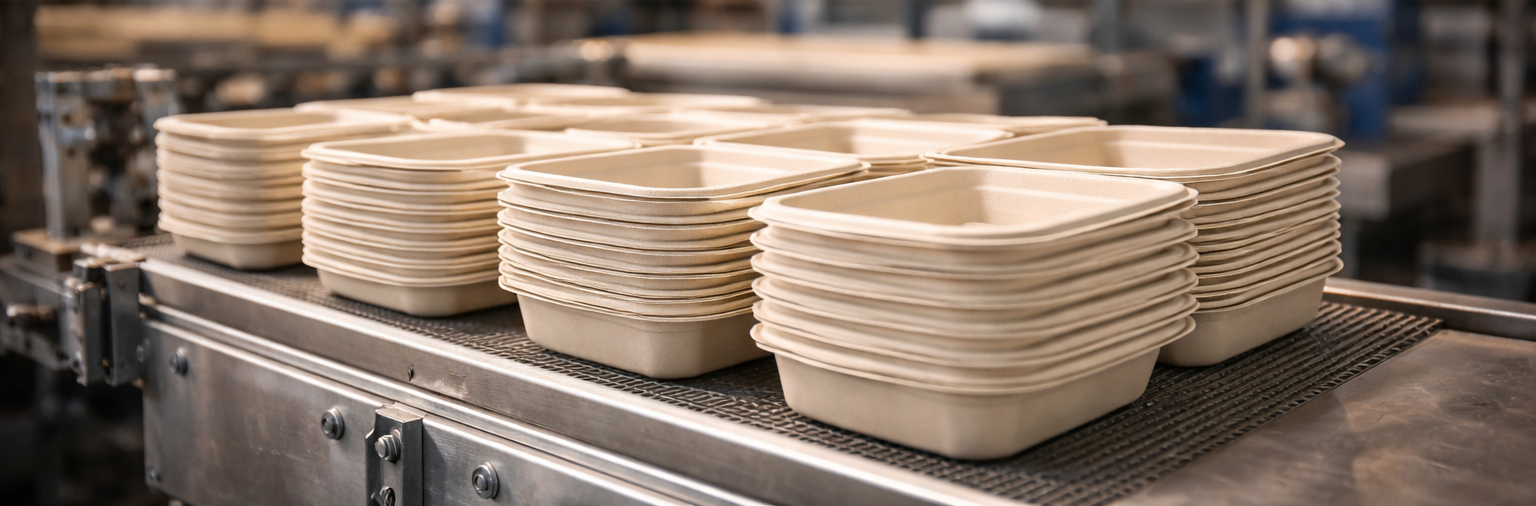
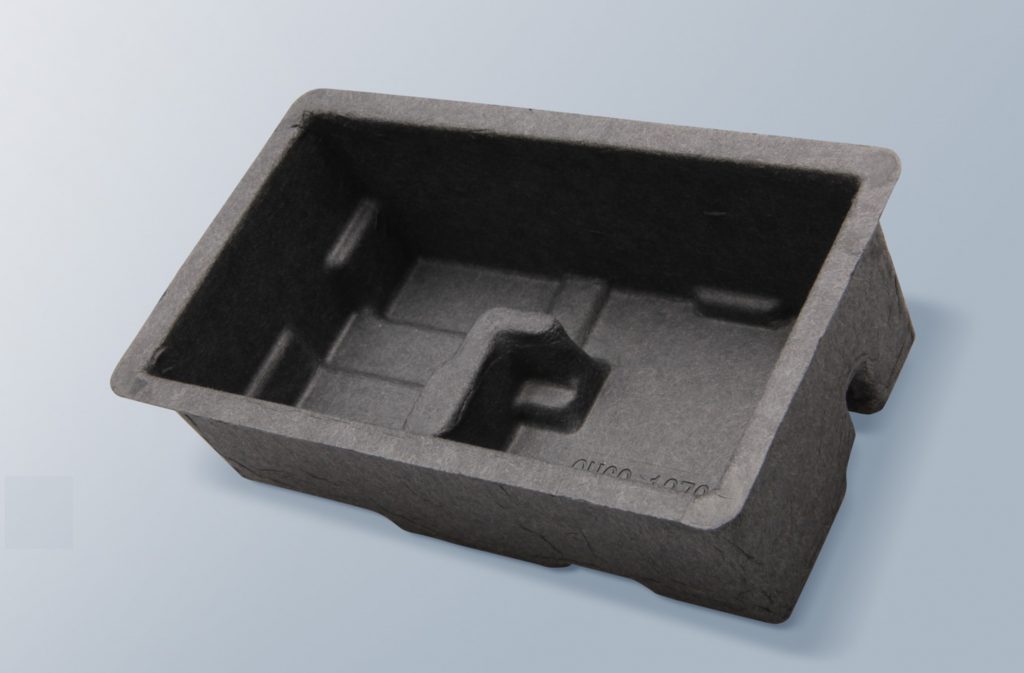
Molded fiber (also known as molded pulp) packaging is produced by forming a fiber slurry — typically made of recycled paper, cardboard, or plant-based fibers — into custom molds that are then pressed and dried.
The result is a lightweight yet rigid structure that can take on nearly any shape, from protective trays and inserts to food-service containers and cosmetic boxes.

Depending on the application, we offer two main types:

  • Traditional molded pulp – perfect for transport and protective packaging.
  • Thermoformed or injection-molded fiber – smooth, premium-quality surfaces ideal for retail and high-end products.

Ideal Applications

  • Cosmetics & Beauty Packaging – sustainable trays, inserts, and gift box components.
  • Consumer Electronics – protective packaging for devices and accessories.
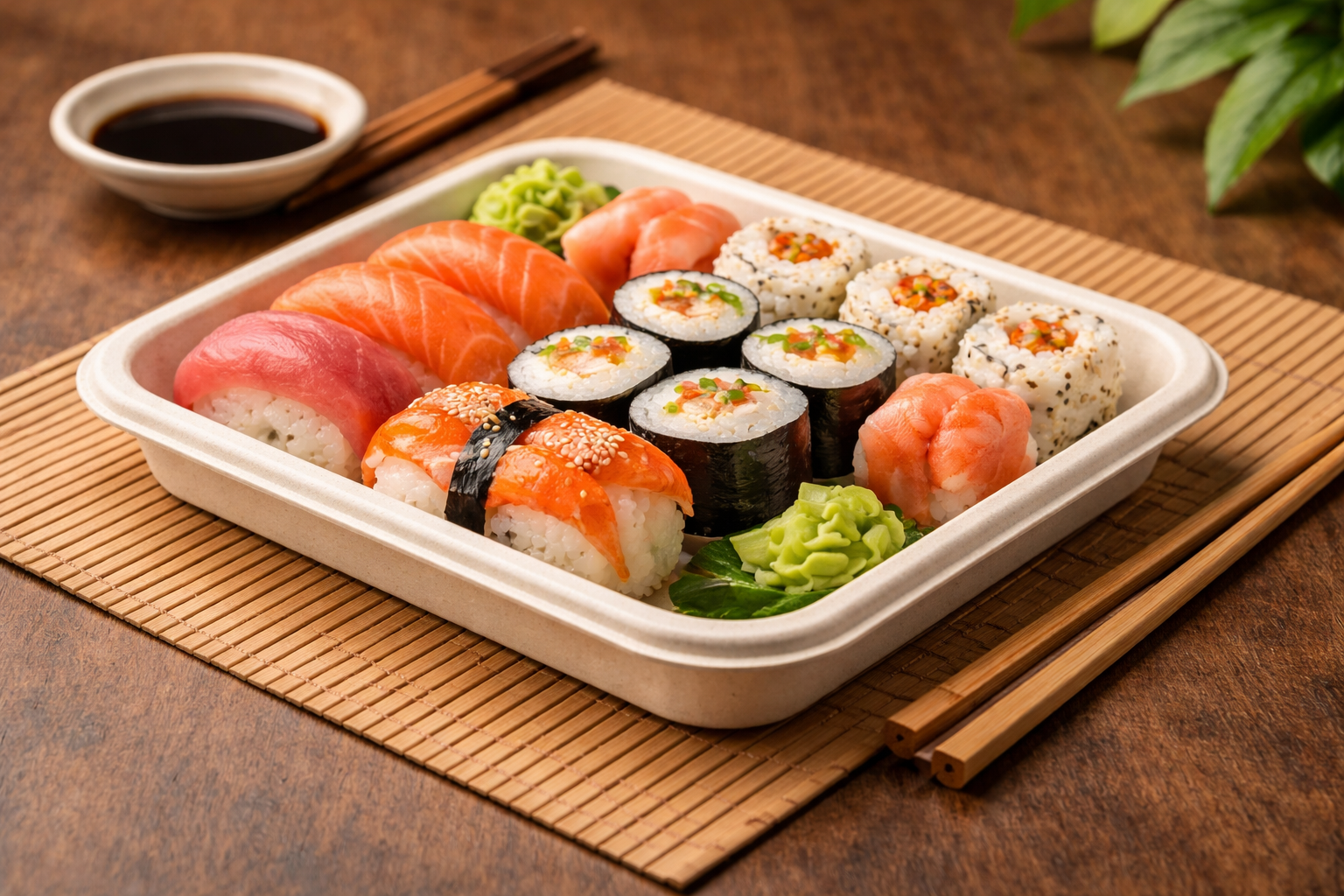
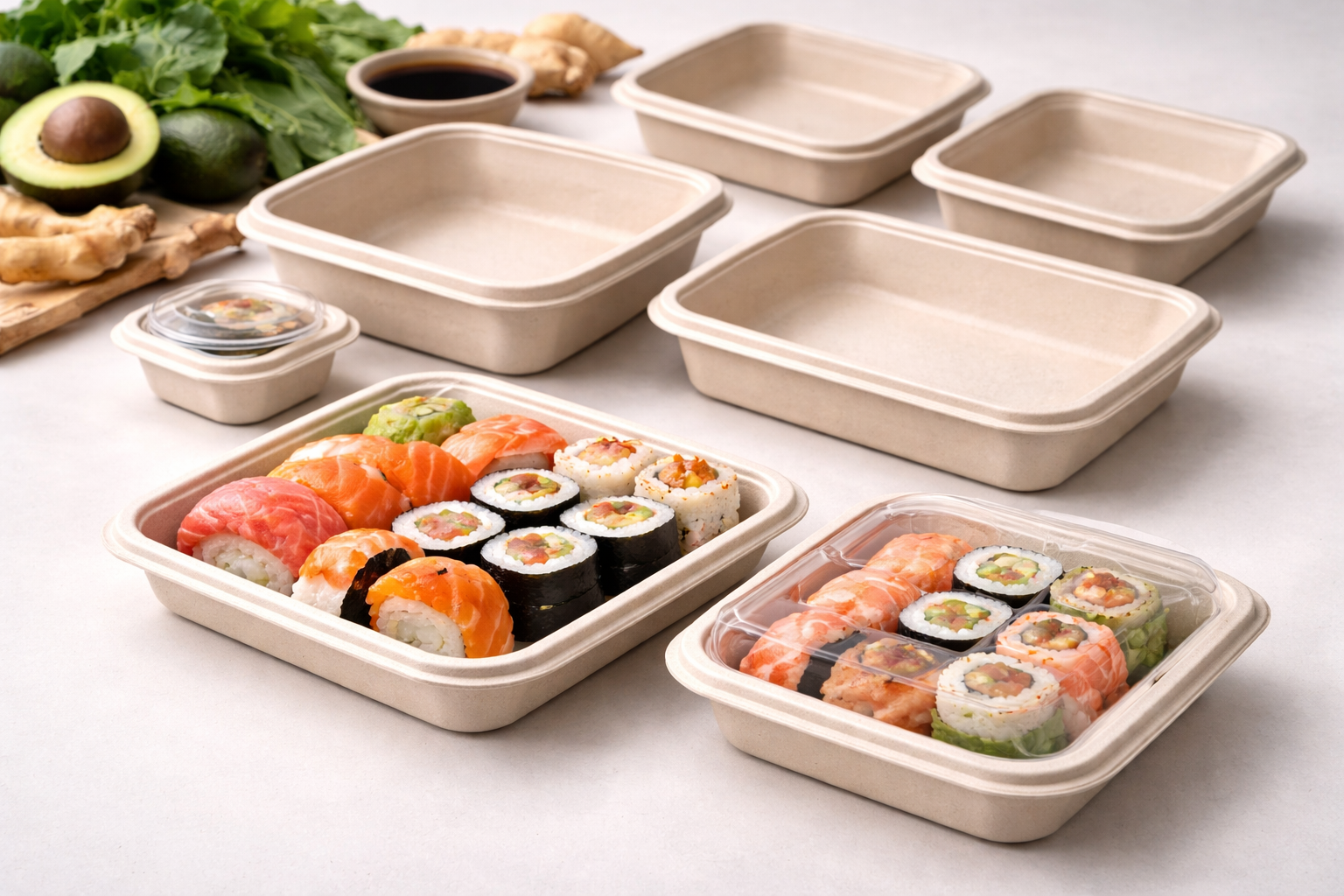
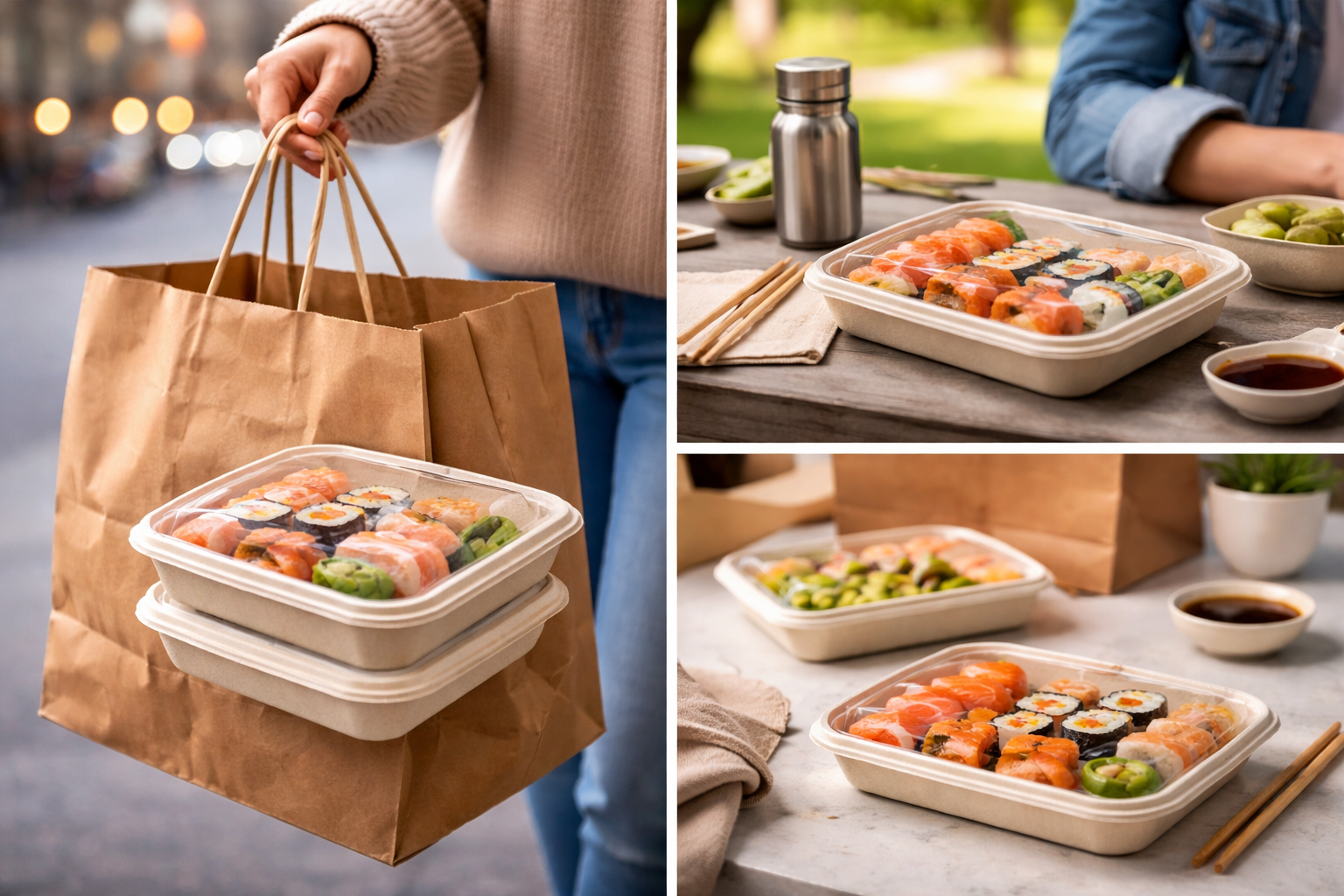
  • Food & Beverage – trays, cups, and containers for take-away and delivery.
  • Medical & Pharmaceutical – sterile packaging and product protection.
  • Industrial & Logistics – protective inserts and transport trays.

Our Approach

At Pakeling, we collaborate with leading European producers to deliver custom-designed molded fiber packaging that meets technical, aesthetic, and sustainability standards.
From concept to finished product, we help brands replace plastic with innovative, low-impact materials that fit a circular economy model.

EcoFiber by Pakeling — Shaping the Future of Sustainable Packaging

At EcoFiber by Pakeling, we believe the future of packaging is circular, natural, and beautifully designed. Our mission is simple — to replace plastic with smart, sustainable alternatives made from nature itself.

We design and produce high-quality molded fiber packaging crafted from renewable materials such as potato starch, paprika starch, and recycled pulp. Each material is chosen for its strength, compostability, and low environmental impact — ensuring that every package not only protects your product but also protects the planet.

Our sustainable molded fiber packaging solutions are biodegradable, compostable, and recyclable, making them a perfect fit for brands that value performance and purpose. Whether you need custom press-fiber trays, molded pulp inserts, or eco-friendly protective packaging, our engineering team combines innovation, precision, and circular design to create solutions that look good, feel natural, and perform to the highest standards.

Industries We Serve

We proudly work with a wide range of industries seeking eco-friendly, high-performance packaging. Our expertise includes cosmetics and personal care, electronics, food and beverage, footwear, and consumer goods.
From luxury product trays to durable molded pulp components, we adapt our designs to meet the unique needs of each sector — blending functionality, sustainability, and brand appeal.

Made in Europe — Trusted Worldwide

All EcoFiber packaging is produced in Europe, ensuring premium quality, reliability, and reduced transport emissions. Our regional production network allows us to serve customers across Europe efficiently while maintaining our commitment to sustainability and innovation.

Why Choose EcoFiber?

Because we don’t just make packaging — we make an impact.
We help brands transition to plastic-free solutions without compromising performance or design. With our molded fiber and pulp-based materials, your brand can meet today’s sustainability goals and tomorrow’s regulations with confidence.

EcoFiber by PakelingMolded by Nature. Designed for the Future.

Contat us today, info@pakeling.com